
Eco-Friendly Makeup Tools: A Guide for Wholesale Beauty Distributors

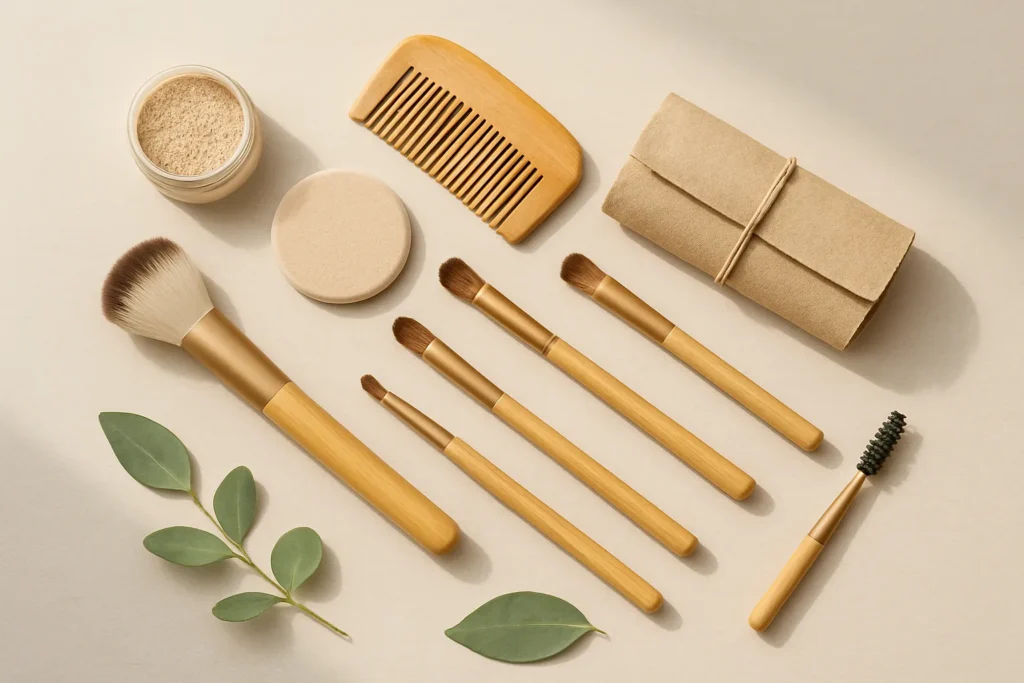
In recent years, the beauty industry has undergone a remarkable transformation, shifting towards sustainability with eco-friendly makeup tools becoming a significant trend. These eco-friendly makeup tools are crafted from sustainable materials aimed at minimizing environmental impact. This movement is not just a fleeting trend; it’s a fundamental shift in consumer preferences. As awareness of environmental issues grows, so does the demand for sustainable products, making it essential for wholesale beauty tools distributors to adapt and present eco-friendly options.
The importance of sustainability in the beauty sector is profound. Today’s consumers are more informed and conscientious about their purchasing decisions. They are looking for products that not only enhance their beauty but also align with their values. Distributors who embrace this shift can tap into a burgeoning market segment that prioritizes eco-friendly practices, ultimately leading to heightened customer loyalty and increased sales.
1. Specifications of Eco-Friendly Makeup Tools
When considering eco-friendly makeup tools, understanding their specifications is crucial for distributors. The materials commonly used in these tools include bamboo, recycled plastics, organic cotton, and biodegradable substances. Bamboo is particularly favored due to its rapid growth and minimal environmental footprint. Meanwhile, recycled plastics contribute to waste reduction and promote a circular economy, and organic cotton is preferred for its natural properties and lower chemical usage.
Certifications and standards are vital when sourcing eco-friendly tools. Look for products that carry certifications such as the Global Organic Textile Standard (GOTS), the Forest Stewardship Council (FSC), or Cradle to Cradle certification. These labels assure that the products adhere to strict environmental and social criteria.
Durability and performance are also critical factors to consider. While eco-friendly tools are designed to be sustainable, they should not compromise on quality. Many manufacturers now provide products that match or even surpass the performance of traditional tools, ensuring that consumers do not have to sacrifice effectiveness for sustainability.
2. Use Cases for Eco-Friendly Makeup Tools
Eco-friendly makeup tools cater to a diverse range of users, making them versatile and appealing. Professional Makeup Artists are increasingly incorporating these tools into their kits, not only for their sustainability but also for their quality and performance. These industry leaders can significantly influence consumer choices and promote eco-friendly practices within the beauty community.
Everyday Consumers are also embracing eco-friendly options as part of their daily routines. With increasing awareness about environmental issues, more individuals are seeking products that resonate with their values. Distributors can capitalize on this trend by offering a variety of eco-friendly tools that cater to this demographic.
Additionally, Eco-Conscious Events and Promotions present unique opportunities for wholesalers. Brands hosting sustainability-focused events can enhance their image by integrating eco-friendly makeup tools into their promotional activities. This approach not only strengthens their brand identity but also attracts clientele that prioritizes environmental responsibility.
3. Sourcing Eco-Friendly Makeup Tools
Sourcing eco-friendly makeup tools requires a strategic approach. The first step is identifying reliable suppliers. Seek manufacturers with a proven track record in sustainability and positive reviews from other distributors. Establishing partnerships with suppliers committed to eco-friendly practices can enhance your product offerings and credibility.
Assessing product quality and sustainability is also essential. Request samples and conduct thorough evaluations of the tools to ensure they meet your standards. It’s important to consider the lifecycle of the products, from production to disposal, to fully grasp their environmental impact.
Cost considerations are a critical aspect for distributors. Eco-friendly tools may have a higher upfront cost compared to traditional options. However, the long-term benefits, including increased consumer demand and brand loyalty, can outweigh initial expenses. I believe it’s crucial to communicate these benefits to customers to justify the price points.
4. Implementing Eco-Friendly Makeup Tools in Your Inventory
Successfully integrating eco-friendly makeup tools into your inventory involves strategic planning. Start by developing a clear strategy for introducing new products. This could include creating a dedicated section for eco-friendly tools in your catalog or website, emphasizing their benefits, and showcasing their unique features.
Marketing eco-friendly tools to customers requires a thoughtful approach. Utilize social media, email newsletters, and in-store displays to educate consumers about the advantages of using sustainable products. Highlighting real-life testimonials and success stories can further enhance your marketing efforts.
Training staff on the benefits of eco-friendly products is crucial for effective sales. Ensure that your team is knowledgeable about the features and advantages of these tools, enabling them to confidently communicate with customers. This training can foster a culture of sustainability within your organization and empower your staff to advocate for eco-friendly choices.
5. Comparisons with Traditional Makeup Tools
When comparing eco-friendly makeup tools to traditional options, an environmental impact analysis reveals stark differences. Traditional tools often rely on non-renewable resources and significantly contribute to pollution and waste. In contrast, eco-friendly tools aim to minimize these effects through sustainable sourcing and manufacturing processes.
Consumer preferences and trends indicate a shift towards eco-friendly products. Research shows that a considerable portion of consumers is willing to pay more for sustainable options, reflecting a growing commitment to environmental responsibility. Distributors who adapt to these preferences can position themselves as leaders in the market.
Price point differences are an important consideration. While eco-friendly tools may initially appear more expensive, they often provide better value over time due to their durability and the increasing consumer demand for sustainable products. Highlighting the long-term savings and benefits can help justify the price difference to customers.
6. Frequently Asked Questions
What Makes a Makeup Tool Eco-Friendly?
A makeup tool is considered eco-friendly if it is made from sustainable materials, produced using environmentally responsible methods, and designed to minimize waste. Certifications from recognized organizations can also indicate a product’s eco-friendliness.
How to Educate Customers on Eco-Friendly Options?
Education is key to promoting eco-friendly options. Utilize various platforms to share informative content about the benefits of sustainable tools, including blog posts, social media campaigns, and in-store demonstrations. Engaging customers with interactive content can enhance their understanding and appreciation of these products.
What Are the Long-Term Benefits of Selling Eco-Friendly Tools?
Selling eco-friendly tools can lead to increased customer loyalty, enhanced brand reputation, and access to a growing market segment. Additionally, as consumers become more environmentally conscious, offering sustainable products can differentiate your business from competitors, leading to increased sales and profitability.
Conclusion
As the beauty industry continues to evolve, wholesale beauty tools distributors have a unique opportunity to lead the charge toward sustainability by incorporating eco-friendly makeup tools into their offerings. By understanding the specifications, use cases, and sourcing strategies for these eco-friendly products, distributors can effectively meet the growing demand for sustainable beauty solutions. Embracing this trend not only benefits the environment but also positions businesses for long-term success in a competitive market.